03 / 03
Silent Order
In contemporary society, many systems, platforms, and mechanisms claim to care for women’s well-being. In reality, they standardize and streamline complex female experiences to make them manageable and predictable.
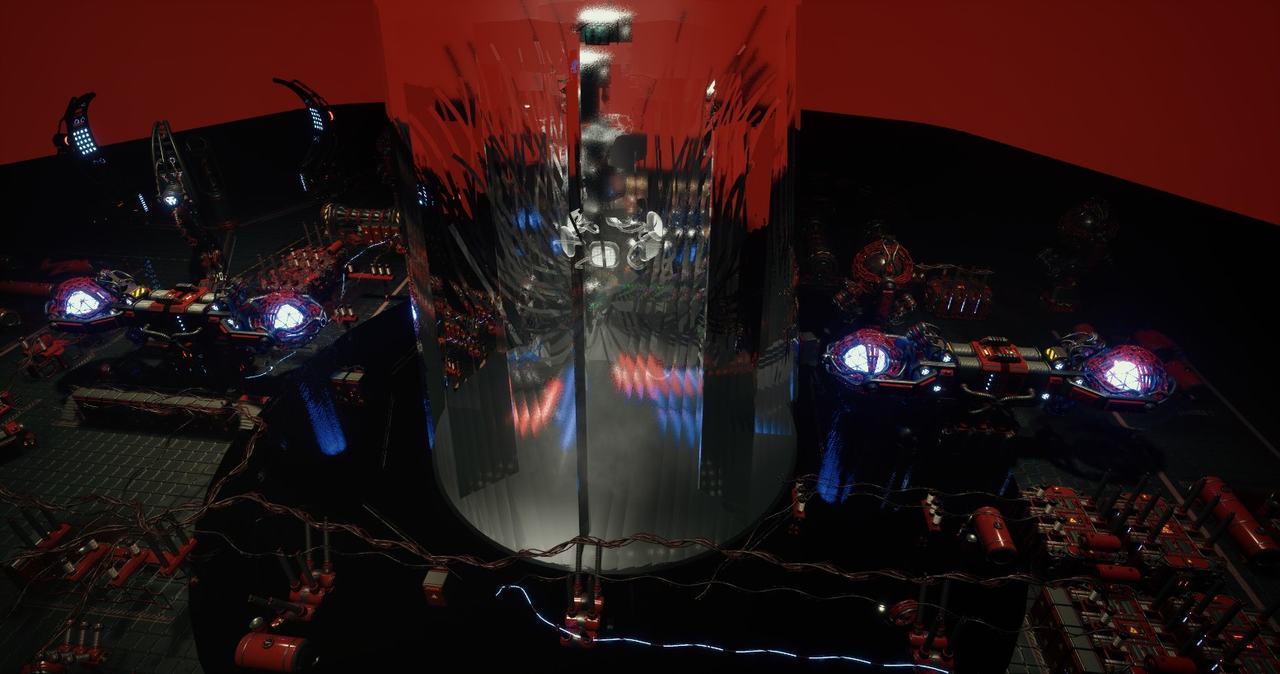
This work constructs a metaphorical “black box system” to show how “care” becomes a logic of cost control through three operations: removing choices to save time, directing consumption to cut costs, and suppressing controversy to reduce public attention. Each operation is presented in a sleek, efficient visual style that mimics modern technology and governance.
The work exposes how the idea of “women’s well-being” has been used to discipline women’s needs and to shrink social investment, tearing open the facade of care to reveal the power dynamics beneath.
Through a cold, precise visual language, it questions the control structures hidden behind a guise of goodwill, and refuses to reduce women’s needs to manageable, reducible costs.
Process
Background
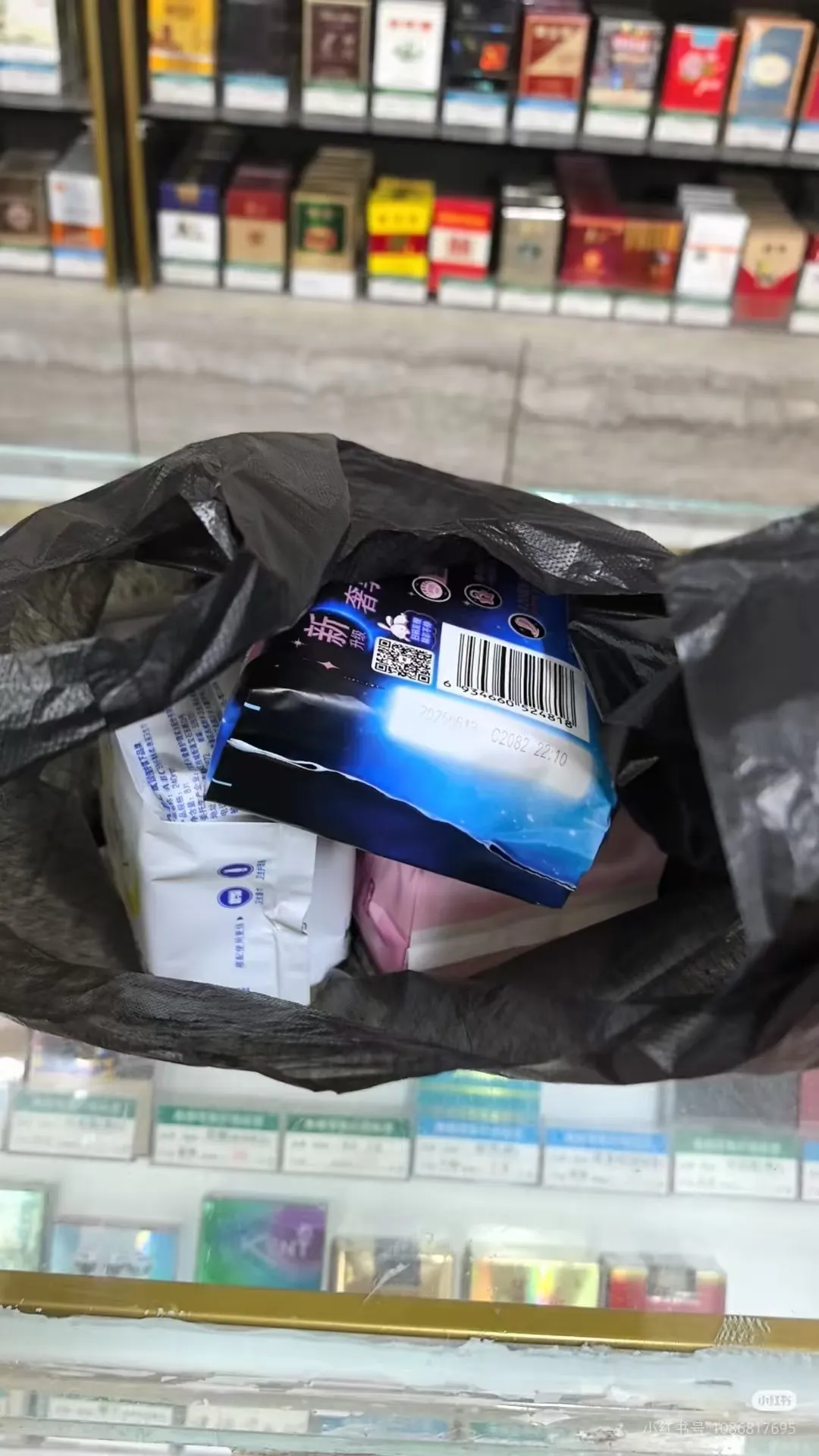
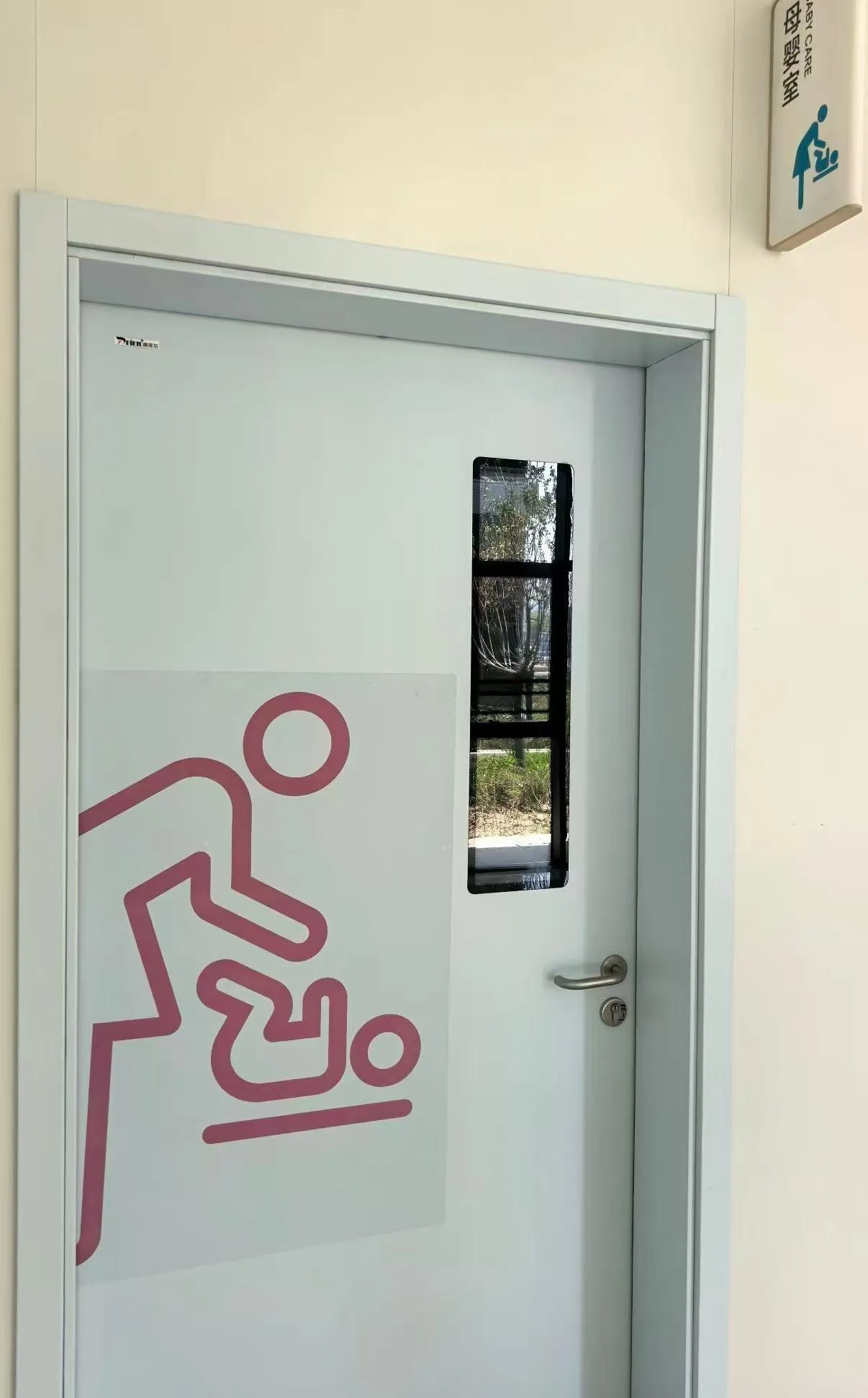
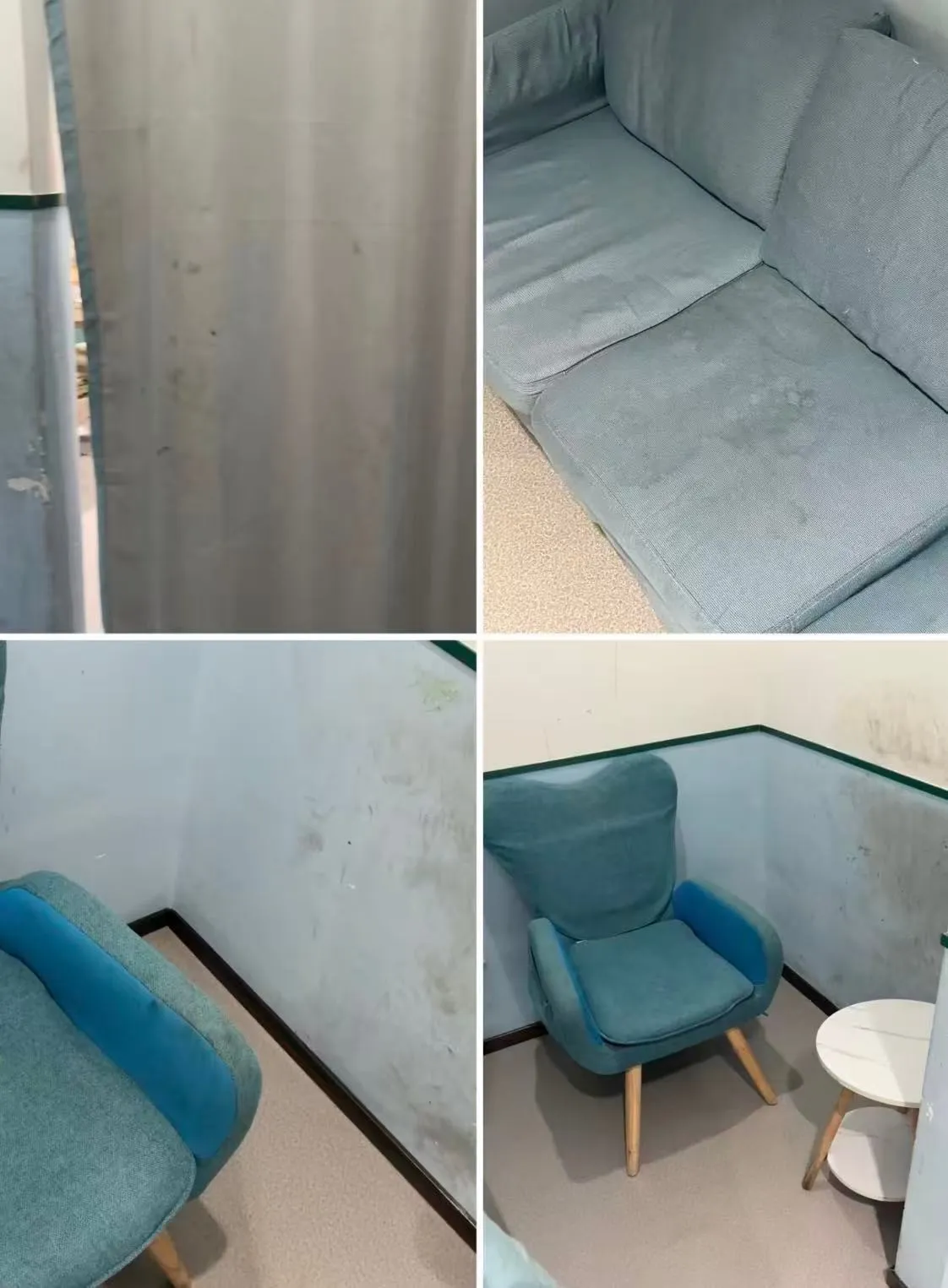
Have you noticed how women's welfare is handled in everyday life? Mechanisms promoted as "women's benefits" are common in public and commercial spaces, yet they rarely address women's actual needs.


Interview
"When buying sanitary pads, do you specifically ask for a black bag? Why? Do you think it is for privacy, or out of embarrassment?"
There's no need to specifically give me a black bag. If a black bag is given to me by default, I'll take it; if it's given to me on purpose, I'll say I don't need it. It is a sense of embarrassment, for sure. I also wouldn't use black bags for other daily necessities.
Interviewee
Research
Many of the mechanisms labeled "women's welfare" do not truly respond to the complexity of women's needs. They form a disciplinary system aimed at cost control, risk avoidance, and the containment of disputes.
Guy Debord, The Society of the Spectacle: genuine needs are replaced by superficial appearances, and care is reduced to a visual spectacle and a promotional symbol.
Niklas Luhmann, Social Systems: modern social systems pursue self-closure, efficient operation, and reduced complexity.
Artist references: Studio Tomás Saraceno's Hybrid Webs, on how society is woven into a highly fragile networked system; and Ryoji Ikeda's data.tron and test pattern, in which data is transformed into perceptible images and sound.
Mind map
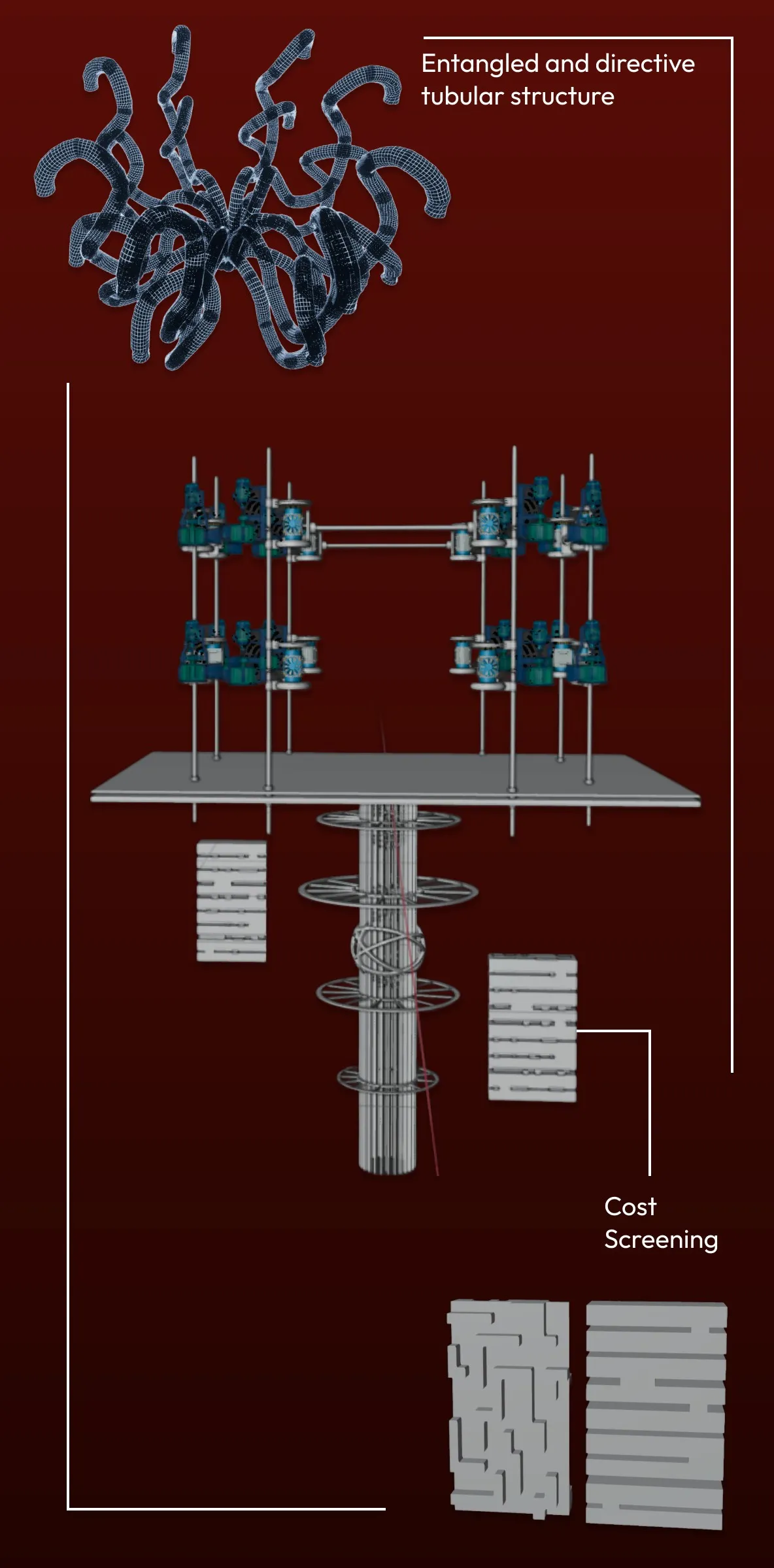
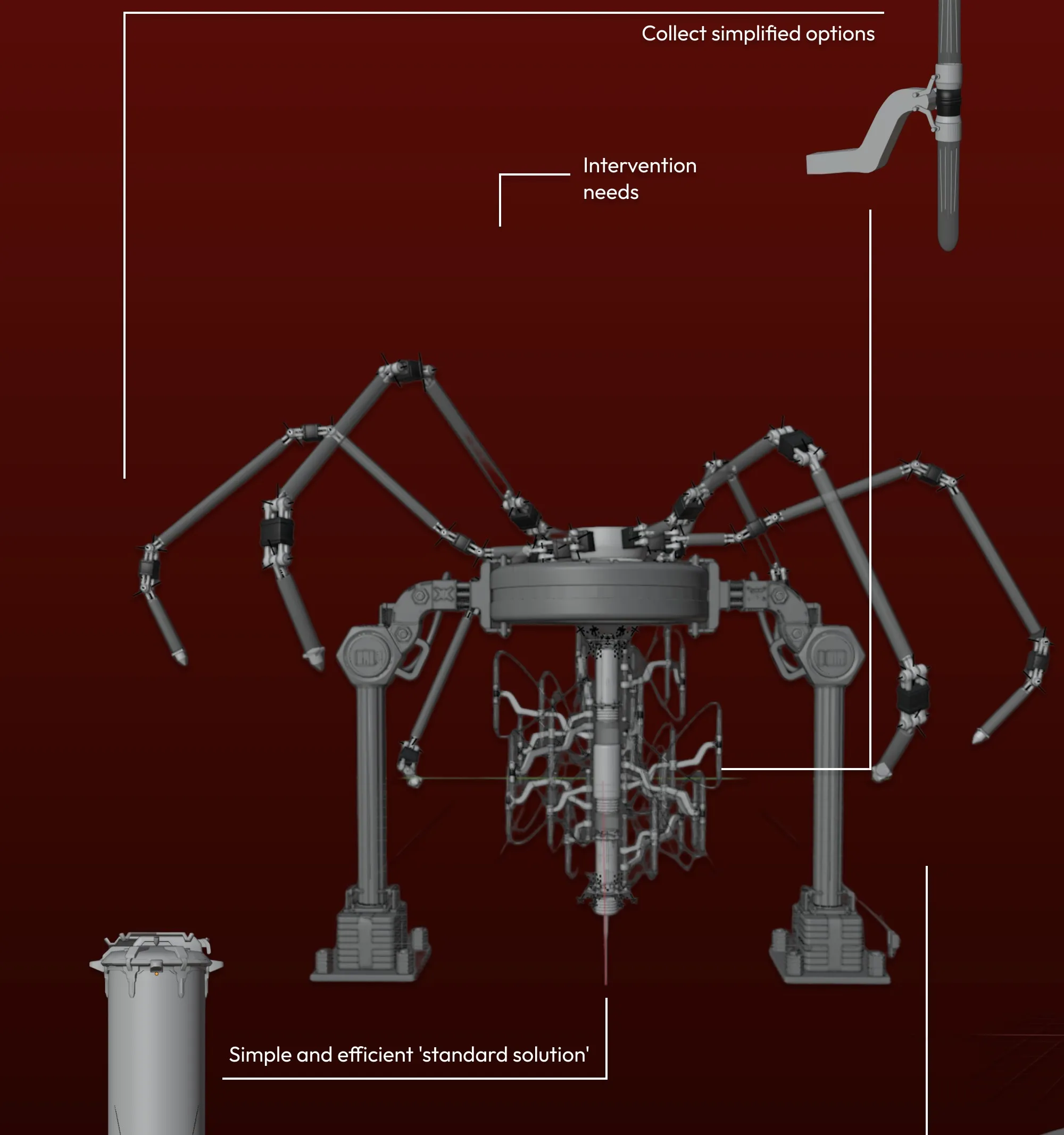
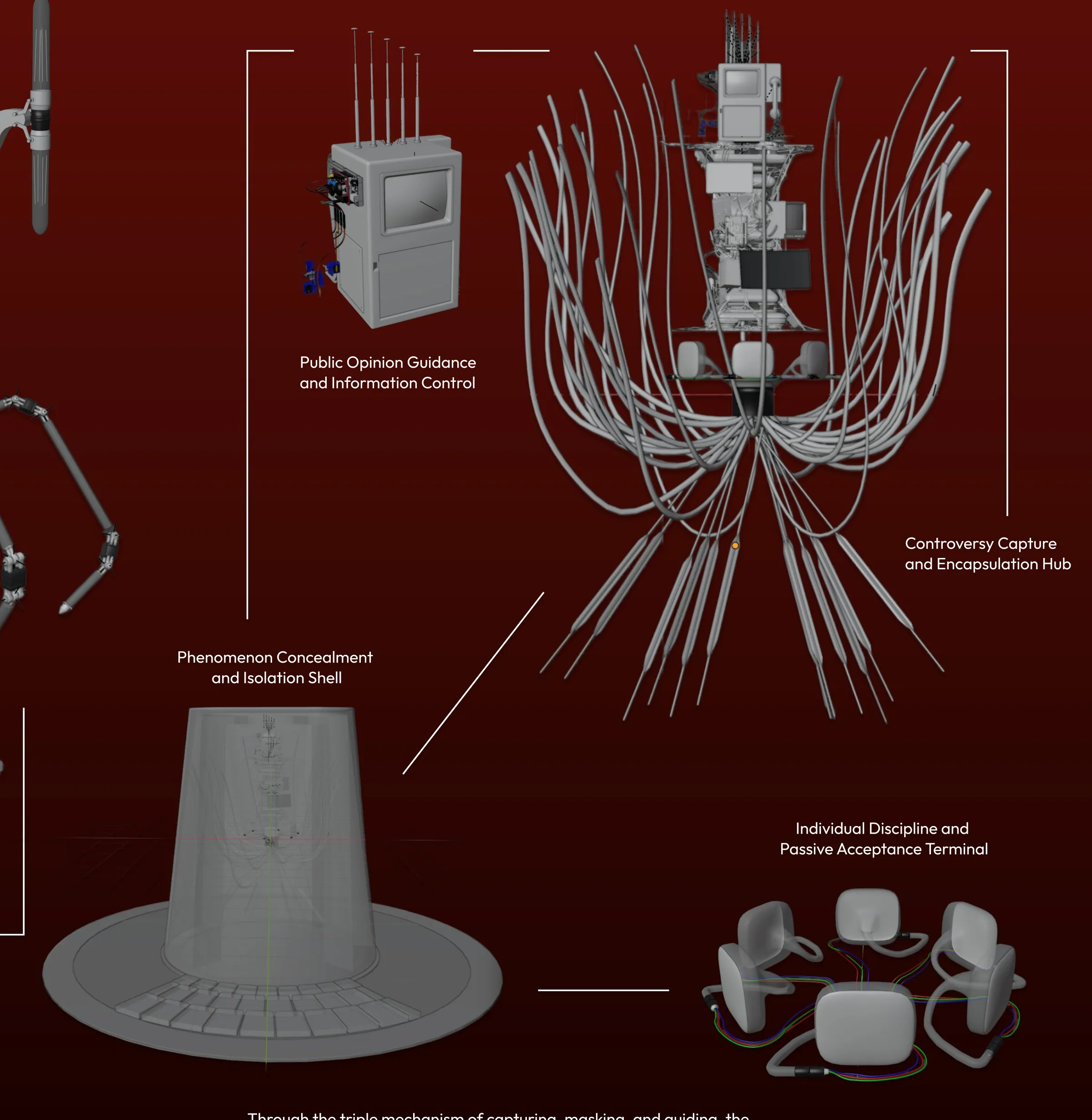
The idea: a black-box system whose three operations (eliminating choices, directing consumption, and containing disputes) convert women's real needs into manageable costs.
Black-box system
Care → cost control
Delete selection
Compress time costs
Computable
controllable
Guide consumption
Optimize economic costs
Care as cost control
Encapsulate controversy
Reduce social attention
Governance and capital
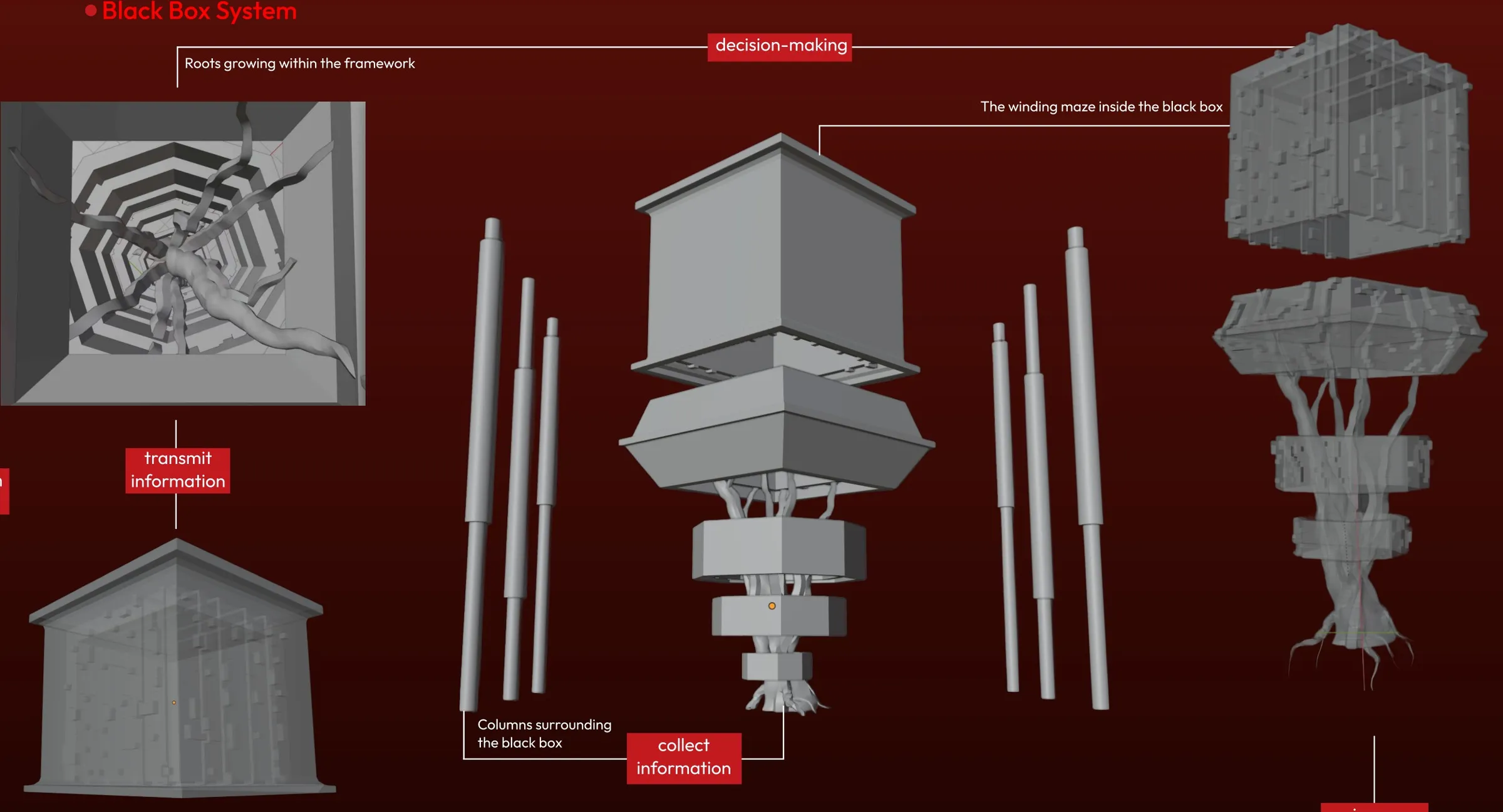
The black box
The black box is the control core of the whole system: the top-level logic of cost control, and the command center that integrates its three modules of deleting choices, guiding consumption, and encapsulating disputes. Visually, it represents the ultimate black-boxing of the entire system.
Scene design
Stills